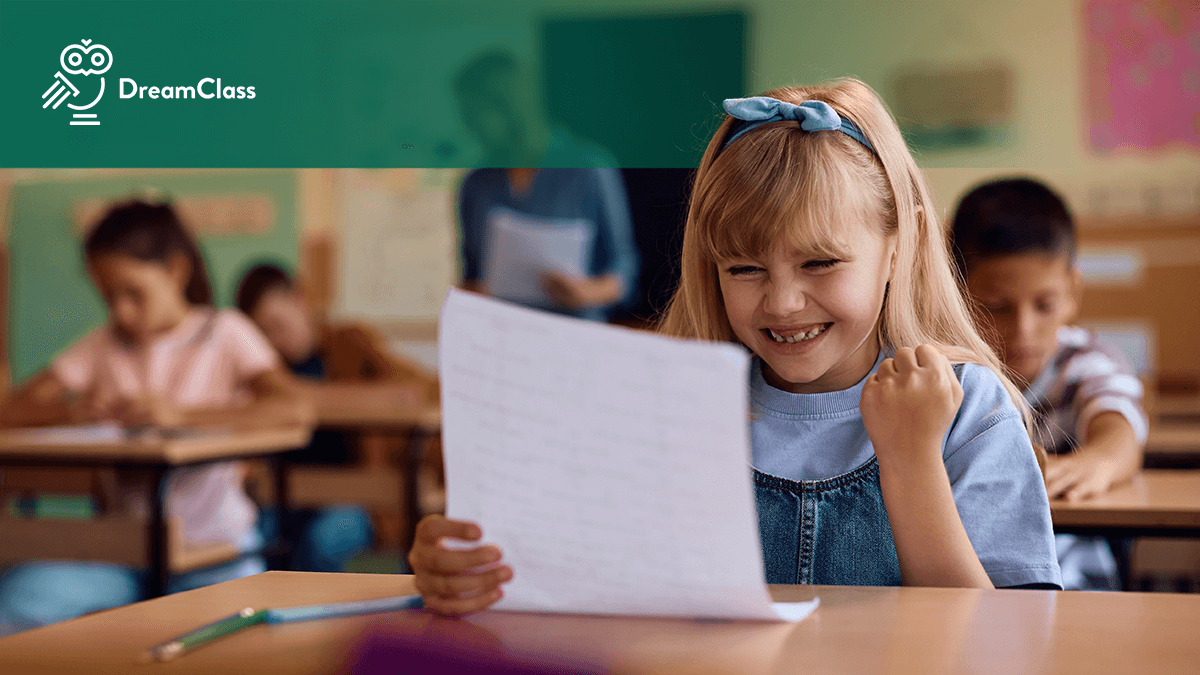
We think that in the journey of education, schools set the stage, but students own the performance. Don’t get us wrong; teachers, systems, and curriculum matter. But when it comes to unlocking real results, what students do outside the classroom is just as critical. So if you’re wondering how to achieve improved academic performance for your students, this guide outlines 10 practical habits that empower students to take control of their learning, and explains how educators can reinforce those habits, through smart teaching strategies.
What are simple ways students can achieve improved academic performance?
Students can achieve improved academic performance by developing consistent study habits, engaging in active learning, managing their time well, and seeking help when needed. Teachers and technology can help reinforce these habits.
Schools can help, but real transformation starts with small, smart habits. From getting organized to asking for help, here’s what students can do to make meaningful progress, and how teachers can support them along the way.
1. How does active note-taking boost study efficiency?
Active note-taking improves focus, comprehension and long-term memory by helping students engage with the educational material as they learn.
You retain more when you write things down in your own words. And, truth be told, we had some good fun verifying this among us. So, taking notes helps you boost study efficiency and stay organized. Try the Cornell method or color-coded mind maps, they make revision more effective.
Teachers can support this by encouraging “think-pair-share” or using the teacher portal in DreamClass to provide digital outlines or guided note templates.
2. Why is asking friends for help a smart study strategy?
Asking peers for help supports collaboration, builds confidence and provides alternate explanations that may be easier to understand.
Learning with others often reveals new ways to understand material. Peer tutoring or study groups are great for accountability and deeper learning. Additionally, explaining something to a friend helps solidify your own understanding.
Teachers can foster this through structured group work or projects, using student grouping tools in DreamClass to manage peer activities effectively.
3. What’s the academic benefit of extracurricular activities?
Extracurriculars support improved academic performance, by strengthening skills like focus, time management and perseverance.
Activities like music, art and sports don’t just build character; they also enhance learning retention. These programs develop soft skills that support academic tasks.
Educators can integrate these experiences into lesson plans and manage schedules using DreamClass class scheduling software.
4. How can active learning methods lead to improved academic performance?
Active learning techniques help students retain information better by making learning hands-on and reflective.
Passive reading may feel productive, but it often doesn’t lead to deep learning. It may create an illusion of understanding, because it often doesn’t engage the brain in meaningful ways.
A more effective approach includes:
- Summarizing lessons aloud
- Making flashcards to self-test
- Applying concepts to real scenarios
Teachers can create opportunities for active learning through flipped classrooms or student-led reviews. DreamClass supports these things through streamlined teacher features.
Feature-Packed at a Great Price.
DreamClass is a very feature-packed student information management system at an amazing price. It combined a lot of functionality that was previously distributed across different spreadsheets and apps. It allows us to unify everything from application, to classroom management, to grading, and communication. Also, the customer service has been top-notch and extremely responsive.
Programming and Partnership SupportEducation management
5. Why is staying motivated essential for students?
Motivation helps students stay consistent with study routines and reach their learning goals over time.
Motivation isn’t always easy, but small accomplishments can help. Checking off completed tasks or seeing a rising grade is incredibly encouraging. Visual trackers or rewards can reinforce progress.
Teachers can help with regular feedback, goal-setting, and using systems like DreamClass notifications to automate support.
6. How can students identify their learning style?
Understanding personal learning preferences helps students study in ways that are most effective for them.
Some students learn better by doing, others by watching or listening. Knowing their learning style helps them plan smarter.
Teachers can run quick assessments or surveys, and adapt lessons accordingly. Formative assessments help guide these adaptations.
7. What self-discipline habits support improved academic performance?
Consistent routines, focus, and task management are the foundation of discipline, which directly improves academic results.
Being disciplined means committing to the study schedule and avoiding distractions. These small habits create a dependable learning rhythm.
Teachers can encourage structure through shared calendars and feedback, via the gradebook features available in DreamClass.
Seamless Transition & Support with DreamClass
Having the school calendar, student financials, attendance, assignments, SIS and applications all in one place is the greatest benefit. We had 4 different platforms prior to DreamClass and are now able to function as a school in one. This has been extremely effective and efficient.
SLS Operations DirectorEducation management
8. Why should students talk to their teachers regularly?
Regular communication with teachers helps clarify doubts early and builds strong academic support.
It’s always helpful to ask questions before frustration builds. Teachers can offer advice, resources, or encouragement.
Not to mention, educators can make this easier by creating open channels through DreamClass, using features highlighted in this communication guide.
9. When is it time to consider online tutoring services?
If a student repeatedly struggles with a subject, online tutoring services offer timely, personalized help.
Tutors can break down tough concepts and provide focused support. This can lead to major gains in SAT improvement, certification exam preparation, or daily homework success. Here’s a full guide on choosing the right one.
Teachers can guide students toward options that complement their classroom learning, especially in blended environments. DreamClass can function as a remote tool, which can help bridge those support gaps.
10. What tech tools can help students reach improved academic performance?
Tools like DreamClass, digital calendars, and flashcard apps help organize learning and support consistency.
Tech doesn’t just distract, it can also keep you on track. Digital tools can organize your schedule, send reminders and help you review efficiently.
Teachers can model tech-friendly workflows using the academic management tools available in DreamClass, making it easier for students to adopt them.
Educational Programs will LOVE DreamClass!
DreamClass allows our educational program to have a one-stop solution for registration, attendance, communication, gradebook, and calendar events! It has been a huge blessing to Anchor Enrichment Academy and we have enjoyed the setup process.
DirectorEducation management
Do these habits help students succeed in advanced studies and career training programs too?
Yes, these strategies also support students as they move into advanced studies or structured vocational training programs, where self-management becomes even more important.
Whether students are managing multiple training modules or preparing certification projects, strong study habits carry over. Independence and consistency drive results in advanced education and career training, and these strategies also support academic performance in college environments where structured self-learning is required.
Ready to Help Your Students Thrive?
So, whether you’re managing a classroom, a school program, or a vocational training center, supporting improved academic performance starts with smarter systems. DreamClass helps educators like you simplify administration, track student growth, and keep communication flowing, all in one place.
Book a free demo and see what DreamClass can do for your school.
Related Reading to Help You Go Further:
FAQ
Frequently Asked Questions
How can students stay motivated during the school year?
Make it visual. Create a habit tracker, use a calendar, or even just cross things off a list. Seeing progress is the best motivator.
Are there proven methods to enhance learning retention?
Yes. Spaced repetition, active recall and teaching others are among the most effective methods to enhance learning retention over time.
What role do online tutoring services play in academic success?
They give you one-on-one help tailored to how you learn. Whether you need some extra practice or test prep, online tutoring services are a solid investment in a student’s success.
Can extracurriculars really impact academic performance?
They definitely can. They improve focus, teach discipline and help manage stress, all of which improve schoolwork, too.
How early should students start preparing for the SAT?
Start at least 6 months ahead. Slow and steady leads to better SAT improvement, less stress, and higher confidence on test day.
What is the meaning of improved academic performance?
It refers to measurable progress in a student’s learning outcomes, such as higher test scores, improved grades or better comprehension, as a result of positive changes in study habits, teaching methods or support systems.
How can academic performance be improved?
By combining effective student habits like active learning and consistent study with supportive teaching strategies, clear feedback and the use of school-wide systems, like DreamClass.
How do you say a student has improved?
You can say a student has improved when they show measurable gains in academic performance, over time. For example, better quiz scores, increased participation, or greater mastery of learning objectives.