This document examines fundamental challenges facing contemporary education systems, specifically focusing on deficiencies in school organization, curriculum alignment, and the critical skill-building necessary for student success. Drawing upon influential research and reports, it agitates persistent problems such as fragmented administrative processes, the prevalent “opportunity myth” in student assignments, and the systemic underperformance on international assessments. For each identified challenge, practical, actionable advice is offered to educators, outlining strategic approaches that can foster more effective teaching, enhance student engagement, and cultivate genuinely robust learning outcomes, implicitly leveraging the capabilities of advanced educational management frameworks.
1. The Challenge of Disjointed School Organization and Curriculum Alignment
Modern educational institutions often grapple with a fragmented operational landscape. Administrative processes can be siloed, and the crucial connection between curriculum design, instructional delivery, and student assessment, frequently lacks coherence. This disjunction results in inefficiencies, inconsistent educational experiences, and a diminished capacity to respond dynamically to evolving learning needs. The vision of a unified, standards-aligned educational program often remains an aspiration, rather than a lived reality.
Influential reports, such as TNTP’s “The Opportunity Myth” (2018), highlight that even when standards are in place, the actual classroom assignments often fail to align with grade-level expectations, underscoring a significant organizational and curricular disconnect.
Furthermore, the Center for American Progress’s “Curriculum Reform in the Nation’s Largest School Districts” (2023) points to the widespread use of instructional materials that are not consistently aligned with rigorous, college- and career-ready standards, indicating a systemic challenge in curriculum management and deployment [1]. This fragmentation impedes the establishment of a coherent educational journey for students, where each learning objective builds logically upon the last. Effective curriculum standardization is a cornerstone of this process, directly aiding in the creation of a clear, coherent learning path that effectively prepares students for the demands of higher education and the modern workforce.
Practical Advice for Educators
- Foster a Unified Educational Blueprint: Map learning objectives to overarching educational standards and ensure course units and activities contribute to defined goals through regular curriculum review and updates.
- Streamline Administrative Workflows: Adopt systematic approaches for schedules, enrollments, and instructional resources, with clear communication channels so stakeholders share an understanding of policies and objectives.
- Centralize Resource Management: Maintain a single accessible repository for instructional materials, course outlines, and assessment tools to ensure consistency, enable collaboration, and reduce redundancy.
- Monitor Progress Against Defined Standards: Evaluate alignment of delivered curriculum with learning goals via systematic review of instructional content and assessment results to identify needed curriculum or pedagogy improvements.
2. Addressing the “Opportunity Myth” and Fostering True Skill-Building
A pervasive issue in education is the “opportunity myth”—the phenomenon where students, despite being in school, are not consistently exposed to grade-level content or sufficiently challenging assignments. This often leads to an illusion of learning without the development of deep, transferable skills. The consequence is a generation of students who may progress through the system but lack the critical thinking, problem-solving, and analytical capabilities essential for future academic and professional success.
A 2018 report from TNTP starkly reveals that students spend a significant portion of their school day on tasks that are below their grade level, irrespective of their prior achievement [5]. This directly impedes genuine skill development and masks fundamental learning gaps. The OECD’s “PISA 2022 Results (Volume I)” (2023) further substantiates this by showing a decline in performance among 15-year-olds in core subjects like mathematics and reading, across many participating countries, including the US, signaling a global challenge in fostering robust skill acquisition [4]. This underperformance suggests that current educational practices are not consistently building the foundational and advanced cognitive skills required in a complex world.
Practical Advice for Educators
- Elevate Assignment Rigor: Design assignments that challenge students with grade-level or advanced content, emphasizing critical thinking, analysis, and creative problem-solving over rote memorization.
- Define Clear Learning Outcomes: Specify measurable learning objectives for each lesson and unit and communicate them transparently so students understand expected skills and knowledge.
- Track Skill Mastery, Not Just Grades: Monitor student proficiency in specific skills or competencies to gain detailed insight into strengths and areas for improvement, enabling targeted intervention.
- Provide Targeted Feedback and Support: Assess progress against defined skill benchmarks and deliver actionable feedback, using performance data to guide timely support or enrichment.
- Promote Holistic Development: Create integrated learning experiences that apply knowledge in real-world contexts and develop transferable skills such as collaboration, communication, and adaptability.
3. Closing Achievement Gaps and Ensuring College and Career Readiness
Despite ongoing efforts, persistent achievement gaps remain a critical concern, hindering the potential of countless students. These gaps often manifest in disparities in test scores, graduation rates, and ultimately, readiness for higher education or skilled employment. The long-term economic and societal implications of these unaddressed disparities are substantial, demanding systemic solutions that foster equitable access to high-quality education and effective pathways to future success.
The McKinsey & Company report, “The Economic Impact of the Achievement Gap in America’s Schools” (2009) powerfully illustrates how unaddressed achievement gaps not only limit individual potential but also impose a significant economic burden on the nation, highlighting the urgent need for effective interventions [3]. Similarly, the Economic Policy Institute (EPI) paper, “What do international tests really show about U.S. student performance?” (2019) critically analyzes US student performance on international assessments, underscoring that underperformance is a broad issue that impacts national competitiveness [2]. These findings collectively underscore that the current educational framework is not consistently preparing all students to meet the demands of a globalized economy and a rapidly evolving job market.
Practical Advice for Educators
- Implement Standards-Based Assessment: Align assessments with defined learning standards and outcomes to generate precise data on student mastery and readiness for future academic or career pathways.
- Regularly Analyze Performance Data: Review student performance data to identify patterns of strength and weakness and use these insights to refine instruction and curriculum design.
- Develop Pathways for Continuous Progress: Create structured progression routes that allow students to build skills incrementally and demonstrate mastery through personalized or differentiated learning approaches.
- Facilitate Informed Decision-Making: Provide educators and administrators with data tools to track progress, identify at-risk learners, and evaluate instructional effectiveness for strategic planning.
- Bridge Learning with Future Opportunities: Link classroom learning to real-world applications and future education or career pathways to help students understand the relevance of acquired skills.
4. A Solution for Educational Management
The practical advice offered throughout this document can be effectively implemented through a robust, integrated educational management platform like DreamClass. The centralized hub in DreamClass can serve as a single, cohesive ecosystem for all administrative and academic functions. While DreamClass doesn’t have the sophisticated folder-based organization of learning objectives that a dedicated LMS might, its features for mass data import (for sub-grades/standards) and its use of tags and custom fields provide a foundational structure that can be leveraged for curriculum standardization. This helps to address the “ineffective curriculum” problem by providing a framework to align teaching with specific, measurable standards.
By providing a unified dashboard for all student data, curriculum resources, and assessment tools, DreamClass eliminates the administrative fragmentation discussed in this paper and helps create a unified, standards-aligned educational blueprint. The platform allows educators to track skill mastery, identify learning gaps, and deliver targeted feedback, ensuring every student is consistently challenged with rigorous, grade-level content. DreamClass also streamlines administrative workflows, from managing schedules to processing enrollments and billing, freeing up valuable time for educators to focus on teaching.
Ultimately, by providing a comprehensive, interconnected ecosystem for schools, DreamClass empowers educators to foster true skill-building, close achievement gaps, and ensure students are genuinely prepared for college and careers.
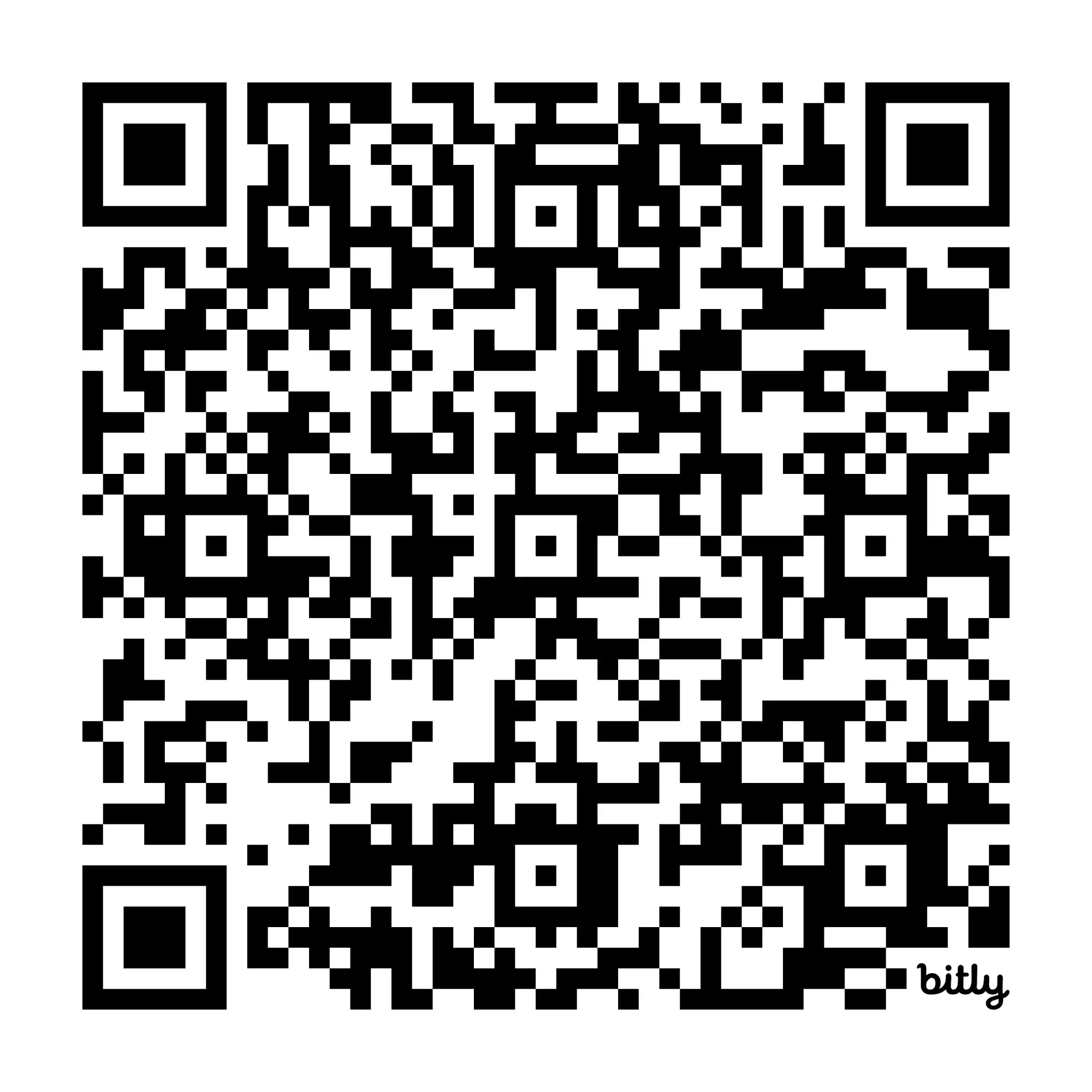
Download a free copy of this guide
If this guide gave you some practical value, you can download and refer to it whenever you need to. The Practical Advice for Educators is more detailed, and it also contains the citations section, in case you need them.
…or scan the QR code below:
FAQ
Frequently Asked Questions
What is this guide about?
This guide addresses systemic challenges in modern education, including disjointed school organization, curriculum misalignment, and the failure to build essential student skills. It highlights these issues using influential research and offers practical, actionable strategies for educators to improve teaching effectiveness and student outcomes.
Why was it created?
It was developed to confront the disconnect between educational policy, classroom practice, and student readiness for the real world. By surfacing persistent inefficiencies and performance gaps, the guide aims to support educators in creating more coherent, standards-aligned, and impactful learning environments.
Who is this guide for?
This guide is intended for K–12 educators, school administrators, curriculum planners, and education leaders who are seeking concrete solutions to elevate instructional quality, streamline school operations, and ensure students are genuinely prepared for college and careers.
What makes this guide different from other reports?
Unlike many theoretical papers, this guide combines research-backed problem identification with directly applicable advice. It bridges strategy with implementation, by tying recommendations to real-world tools, such as educational management systems like DreamClass, to ensure the guidance is not only insightful but executable.
Is this guide relevant beyond the classroom?
Yes. The challenges addressed here — such as skill gaps, curriculum misalignment, and organizational inefficiencies — have long-term economic and societal impacts. The guide’s focus on workforce readiness and equitable learning outcomes, makes it relevant to policymakers, workforce development agencies and anyone concerned with future labor market competitiveness.
How should readers use this guide?
Readers should use this guide as both a diagnostic tool and a roadmap. Identify which challenges are most pressing in your context, apply the recommended strategies, and consider leveraging platforms like DreamClass to operationalize the solutions. It’s not just for reading; it’s meant to be implemented.